Enclosures & equipment
Evaluate flexible conductive linings, covers and enclosure interfaces. Pay attention to continuity across seams, edges and doors.
Electronic applications →
Compare conductive textile constructions for EMI/RFI control in enclosures, assemblies, flexible covers and custom parts. Start with application requirements, then evaluate material data and installed shielding performance.
EMI shielding fabric is a conductive textile used as part of an electromagnetic interference control design. A fabric's reported shielding effectiveness alone does not predict the performance of a finished product: frequency, test setup, seam overlap, openings, contact and grounding can change the result.
Evaluate flexible conductive linings, covers and enclosure interfaces. Pay attention to continuity across seams, edges and doors.
Electronic applications →Compare flexibility, weave and installation methods. Overlaps and termination details should be validated on the intended assembly.
Cable-wrap considerations →Assess adhesive type, contact surface, bond geometry and electrical continuity; the fabric and adhesive layers are not interchangeable.
Adhesive fabric guidance →These six examples cover plain, ripstop, black-finish, wide-roll and adhesive-backed constructions from the OneThinktec catalog. Review each SKU's page for specification context and request current documentation before final selection.
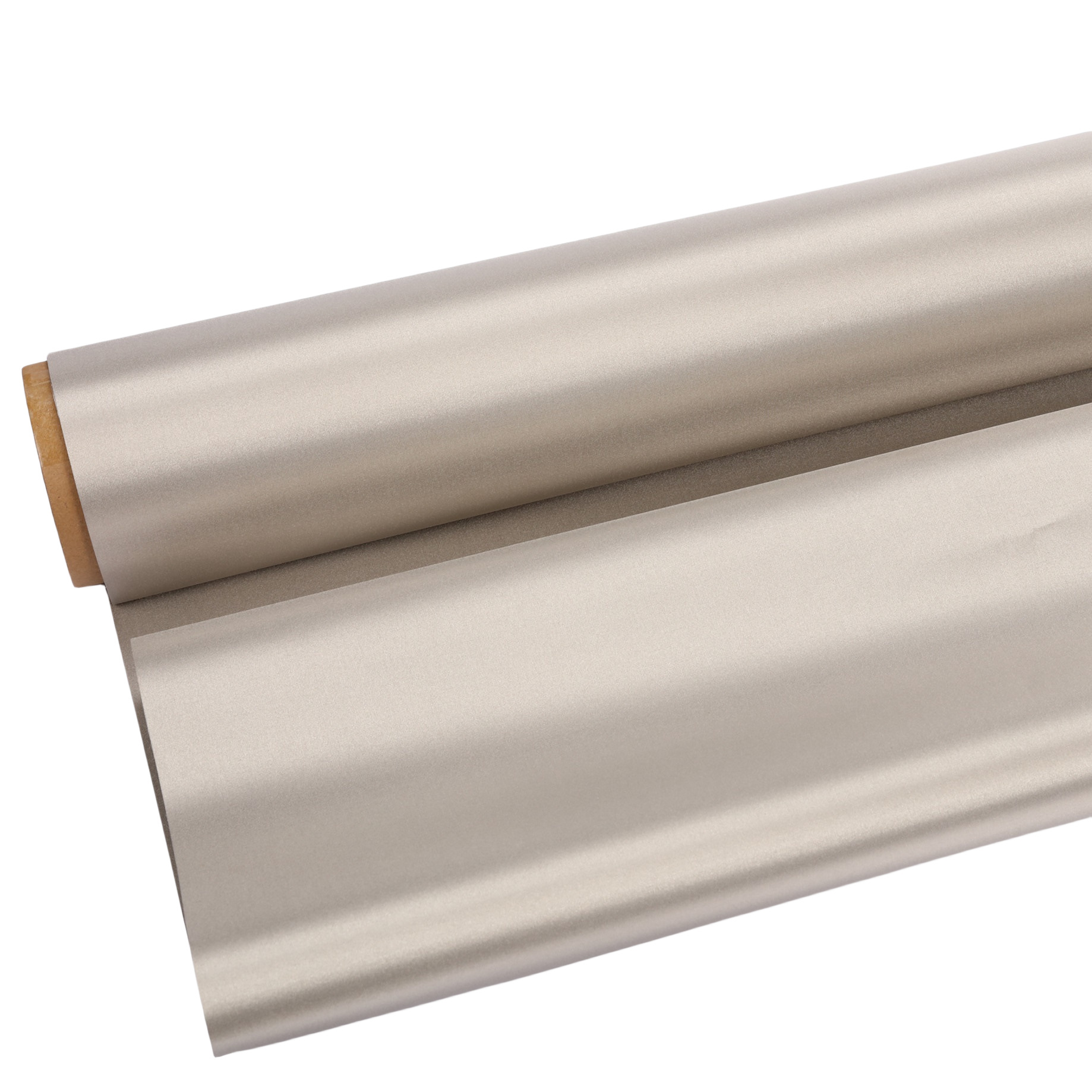
Copper-nickel polyester base fabric for evaluating conductive shielding layers.
View X00606 specifications →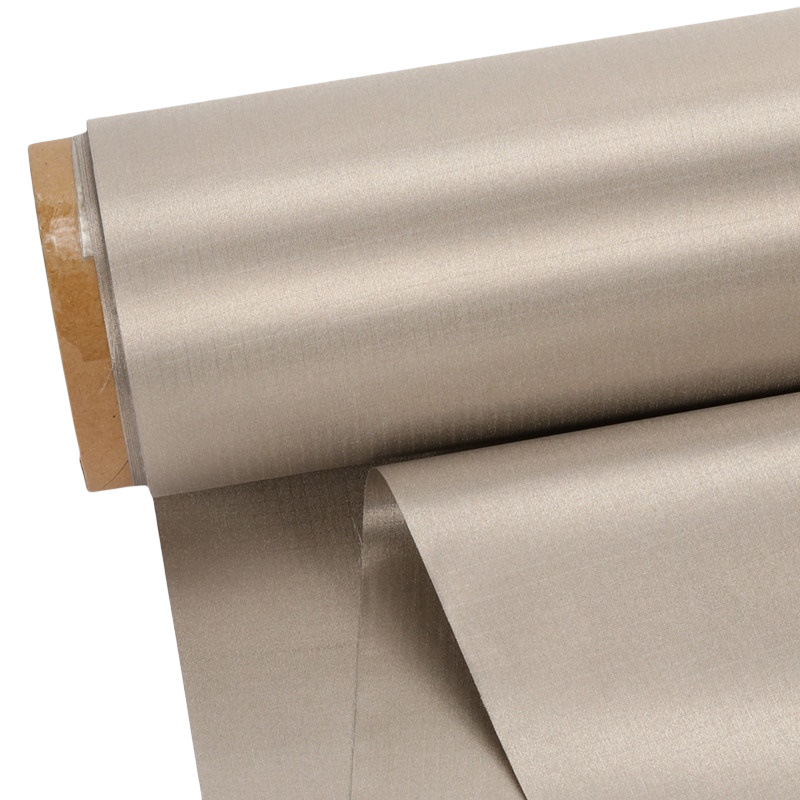
Grid construction option for projects evaluating fabric handling and reinforcement.
View X00721 specifications →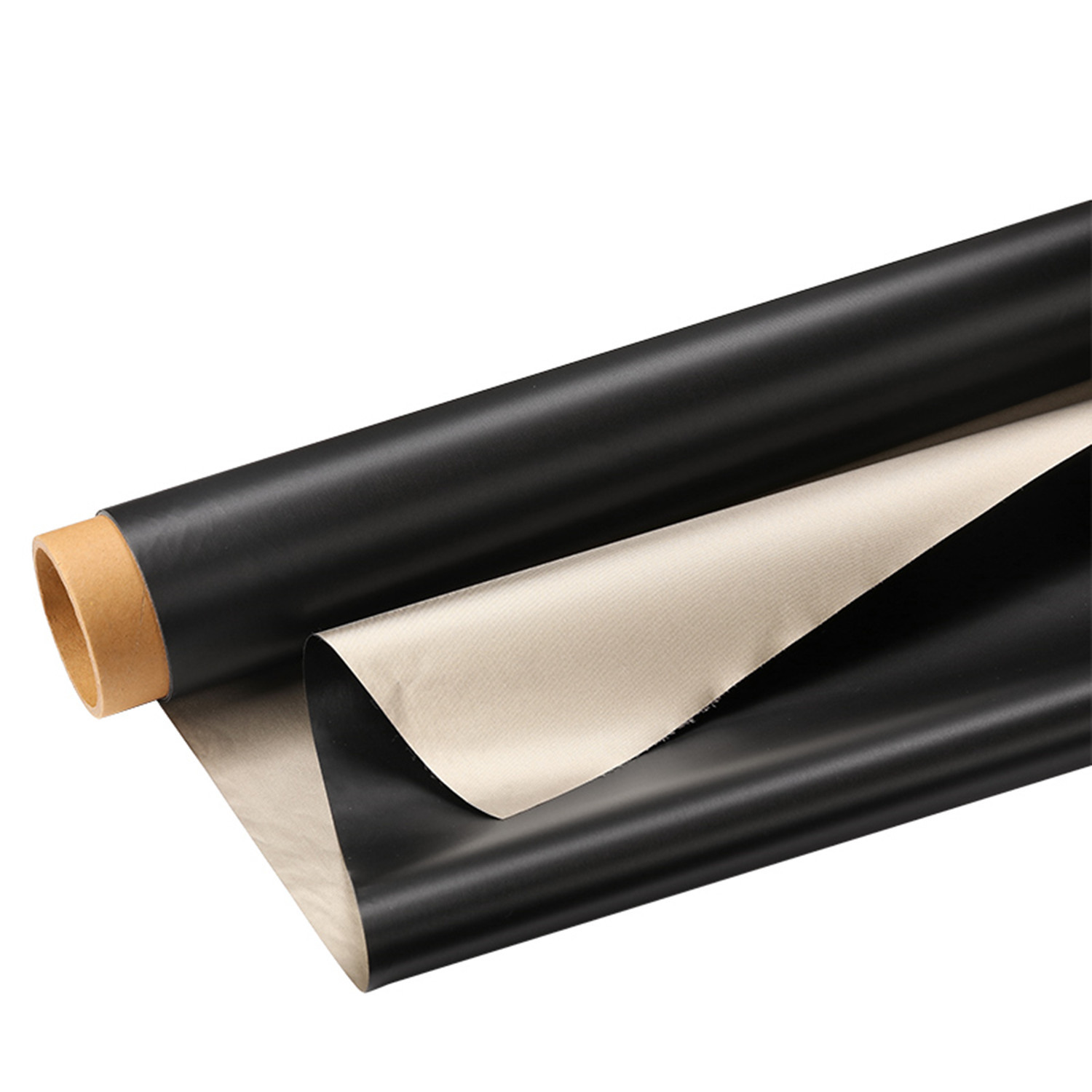
Single-sided black/silver-gray textile option where surface finish matters.
View X00760 specifications →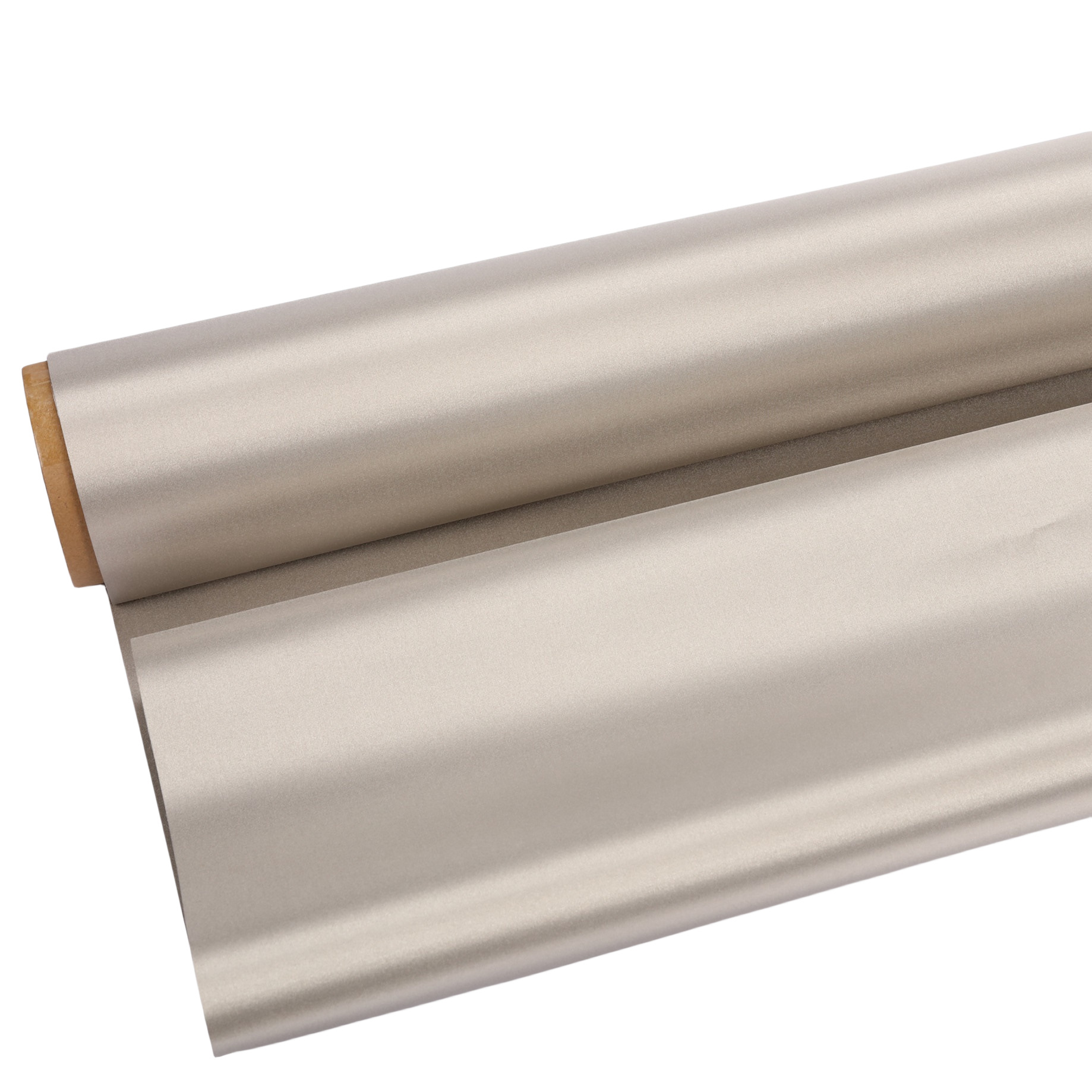
A wider roll to review when panel dimensions or seam counts are important.
View X00789 specifications →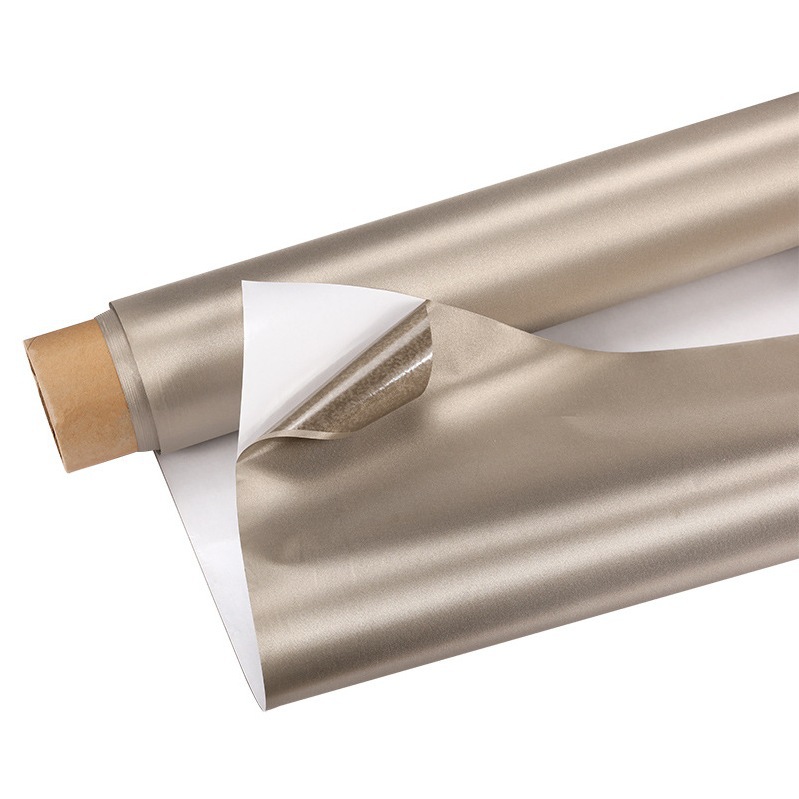
Adhesive-backed option for evaluating bonding to a defined substrate.
View X00748 specifications →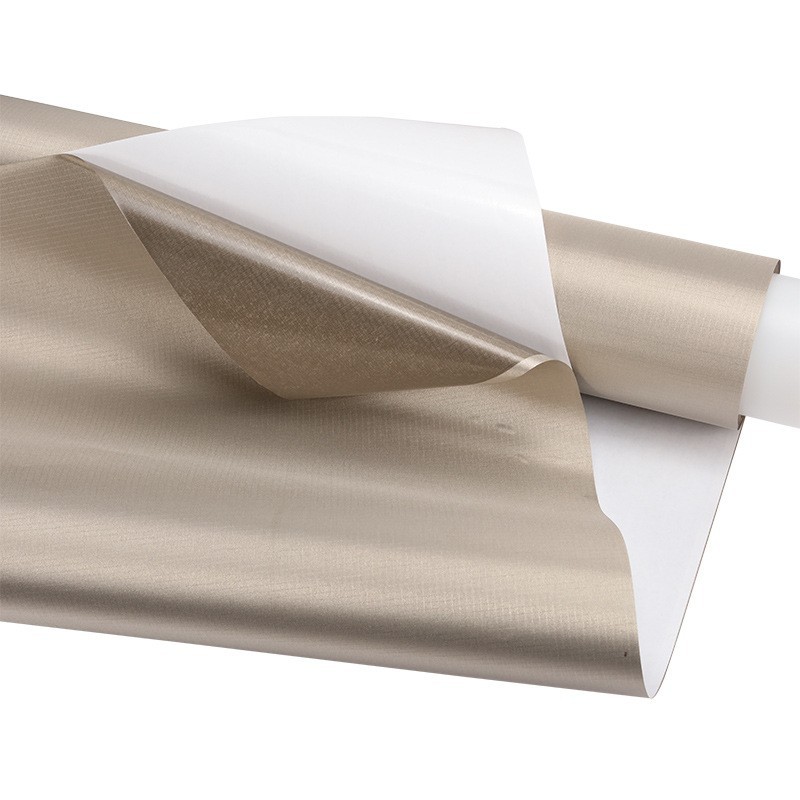
Ripstop construction with adhesive backing; evaluate adhesive and grounding interfaces.
View X00792 specifications →Material dimensions can affect cutting yield, seam locations and assembly design. This table summarizes catalog dimensions rather than claiming comparable test performance.
| Model | Construction | Catalog width | Fabric thickness | Next step |
|---|---|---|---|---|
| X00606 | Plain weave | 1.1 m | 0.08 mm | Specifications |
| X00721 | Ripstop (grid) | 1.1 m | 0.078 mm | Specifications |
| X00760 | Single-sided black / silver-gray | 1100 mm | 0.085 ± 0.007 mm | Specifications |
| X00789 | Plain weave, wide roll | 1.38 m | 0.08 mm | Specifications |
| X00748 | Adhesive-backed, plain weave | 1.06 m | 0.08 ± 0.01 mm* | Specifications |
| X00792 | Adhesive-backed, ripstop | 1.06 m | 0.08 ± 0.01 mm* | Specifications |
* Fabric thickness is listed separately from adhesive/release-liner construction. Dimensions are transcribed from the existing OneThinktec catalog and should be confirmed before purchasing.
Request shielding results with a stated frequency range. A single dB figure without test conditions is not enough for meaningful comparison.
Planar material testing, such as ASTM D4935, and enclosure testing, such as IEEE 299, evaluate different configurations. They should not be treated as equivalent.
Check seams, apertures, terminations, contact pressure and bonding method. Finished-system performance requires application-specific evaluation.
For a testing overview, visit Testing & Evaluation; for technical context read shielding effectiveness in dB and seams and gaps.
Conductive fabric describes a material property; EMI shielding fabric describes a potential use in a shielding design. Conductivity alone does not guarantee an installed assembly will meet its shielding target. Compare conductive textile models.
The target depends on the interfering signal, frequency range, product construction and applicable design or test requirements. Ask for results with frequencies, fixture and method details, then validate the finished assembly.
When bonding to a surface is needed, compare adhesive-backed options and evaluate the specific substrate, bonding process and electrical contact path. Adhesive conductivity should be confirmed, not assumed.
Share the SKU, planned application, dimensions, expected order quantity and any test requirements. Suitable sourcing or conversion options can be discussed case by case; availability is subject to confirmation.
Tell us the use case, operating frequency, target shielding result, substrate, dimensions, installation method and required quantity. We can discuss the product options and available supporting documents.